Designing a Scalable UX System for Complex Immigration Workflows
CaseHero helps immigration lawyers generate complex petitions faster with AI. As the product designer at VSDesign, I designed the core workflow system, aligned stakeholders, and delivered features continuously into development. Three tools are live with 10+ more handed off, driving early adoption and momentum.
Company
Casehero
Website
Year
2025 - Ongoing
Duration
Phase I (6 month); Phase II (Current)
Why Casehero?
Millions of immigration cases are filed in the U.S. each year, and lawyers often spend dozens of hours per case managing evidence-heavy paperwork. For visas like EB-1A and O-1, small documentation gaps can result in rejection and years of delay. CaseHero helps legal teams organize, summarize, and prepare complex cases more efficiently, improving both speed and accuracy in a high-stakes process.
Who Uses Casehero?
Applicants Generate drafts and organize evidence with AI support. Paralegals Reduce manual writing and accelerate case prep. Attorneys Prepare cases faster and scale client capacity with AI.
Business Goal
Launch CaseHero successfully, retain the first cohort of immigration law firm users, and secure early funding by demonstrating clear product value and scalability.
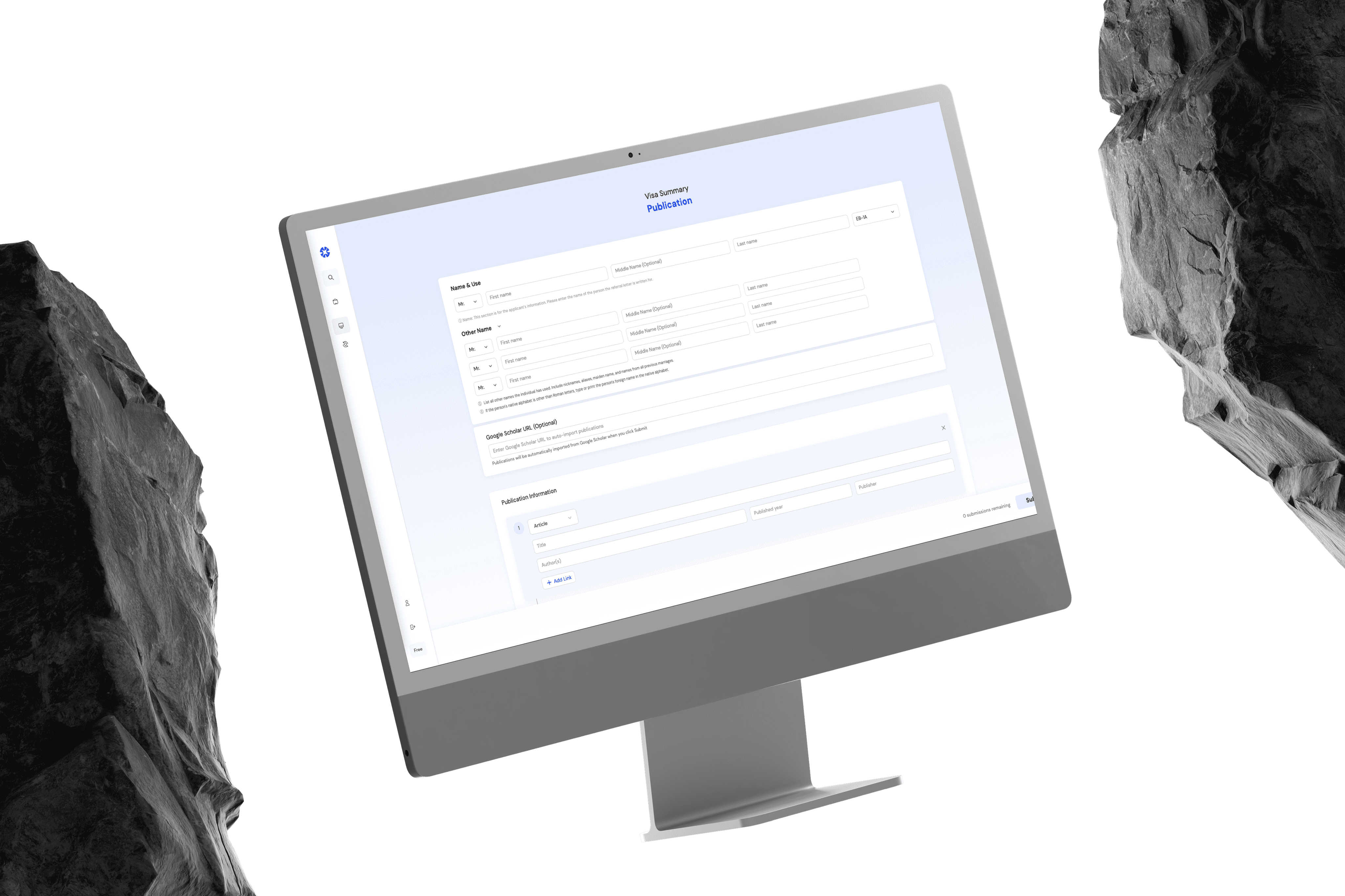
CaseHero is in progress of launch smart tools. We are actively handing off features to engineering, with a full release planned for early 2026.
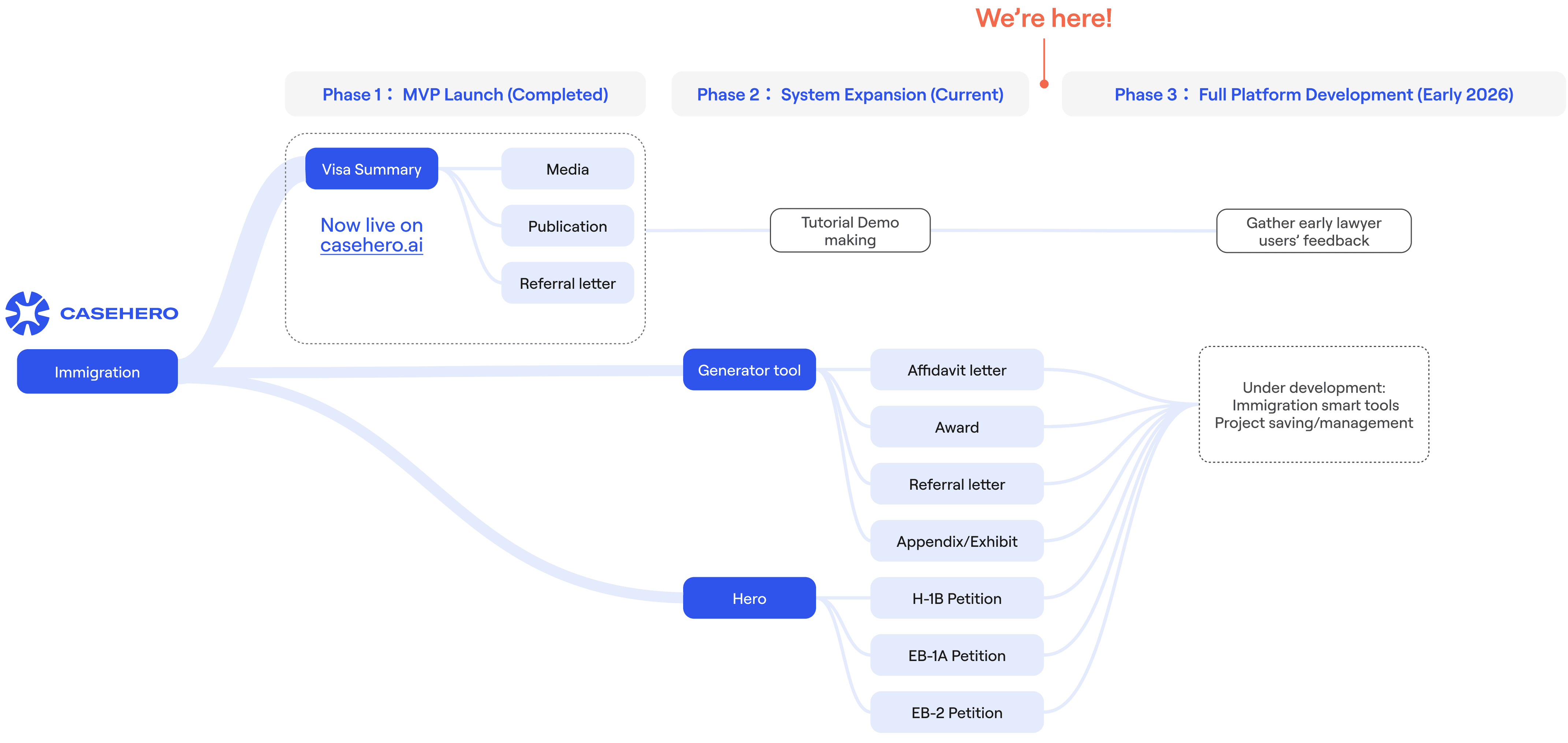
Seven core tools are now live on CaseHero.ai, enabling early lawyer adoption and strengthening investor confidence. Our system reduces preparation time by ~70%, increases accuracy, and provides a flexible foundation for 10+ future tools currently in development.
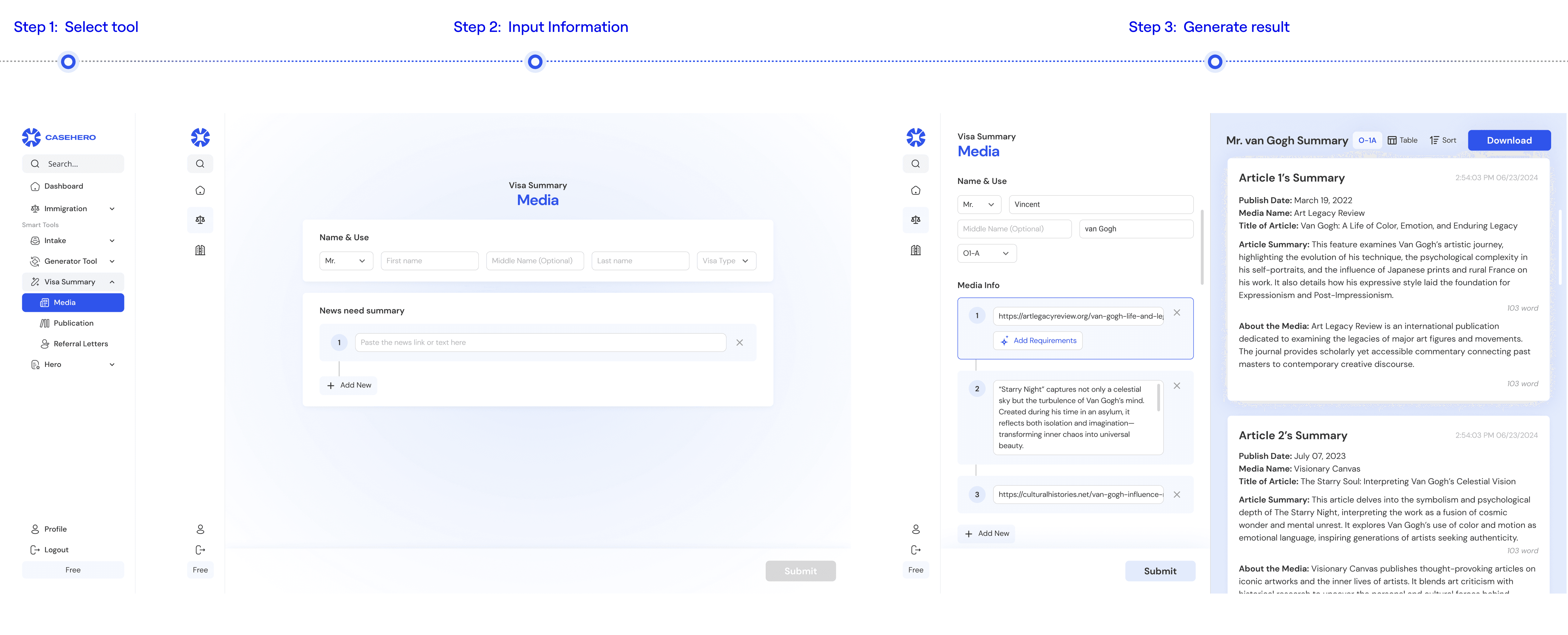
Problem Statement
Solution: 9 Reusable UX Patterns That Scale Across the Product
I audited every tool in CaseHero, grouped recurring interactions by user intent, and consolidated them into 9 core patterns. ✔ Mapped all interactions across tools and identified overlaps ✔ Grouped by what users were doing, not which tool they were in ✔ Distilled into 9 patterns that cover the majority of user actions ✔ New features now start from existing patterns, not blank canvas
Same needs, different solutions, over and over...
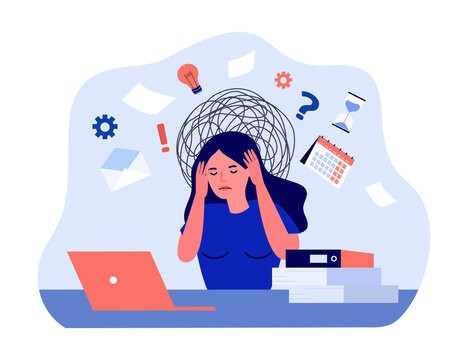
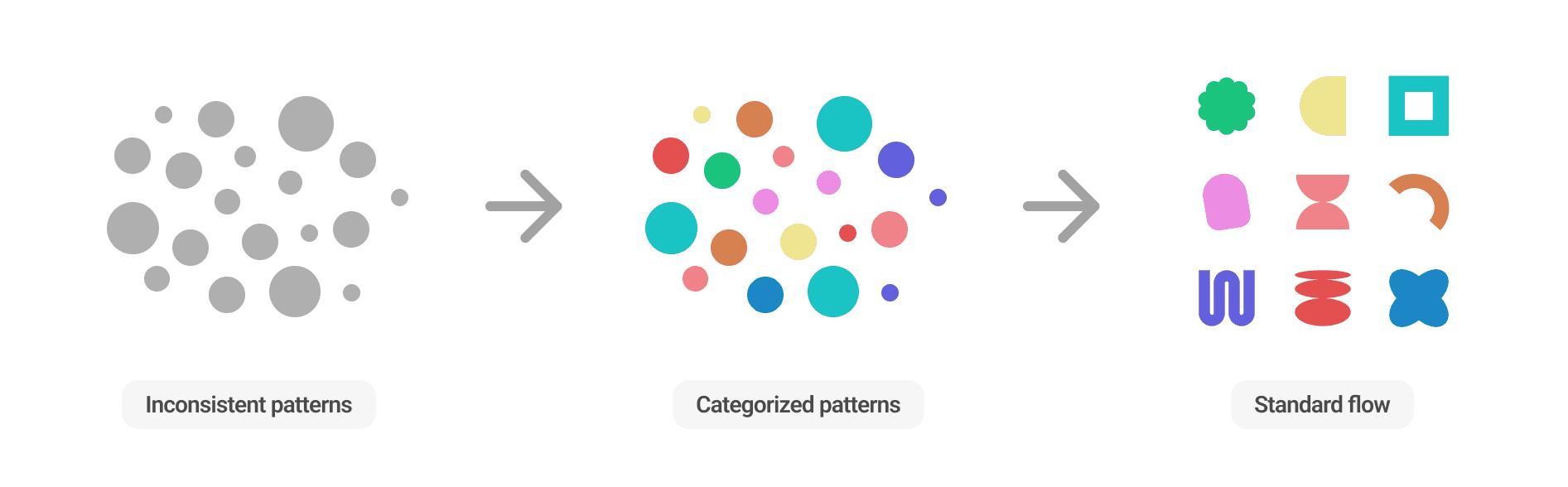
As we built more tools, I noticed the same problem repeating. Upload a file? Three different implementations. Fill in applicant info? Two different flows. Review a document? Another two. Same user need, different UI every time. This wasn't a one-off inconsistency: it was a structural problem that would only get worse as we added more tools.
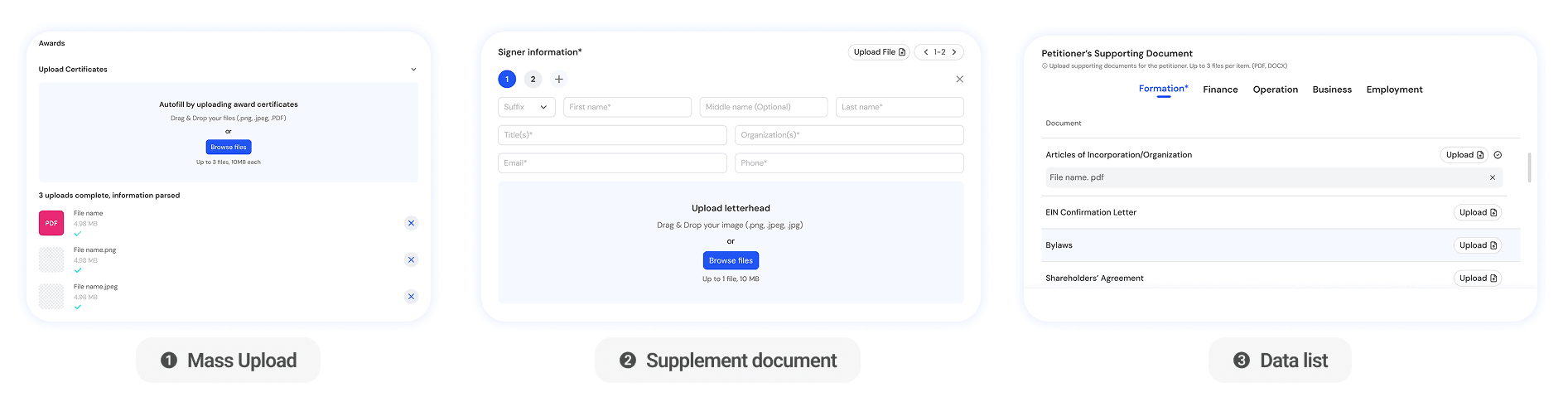
And that problem had real consequences for three groups.
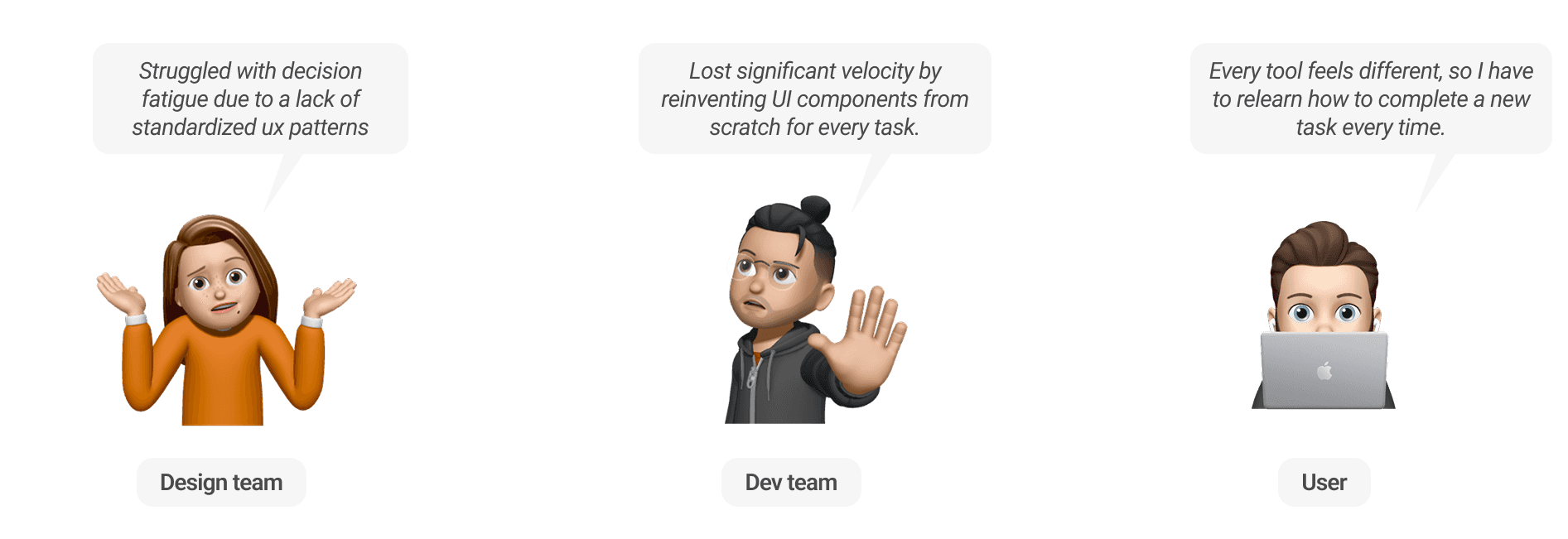
Standardize the UX pattern
identify then categorize the patterns.
The Audit
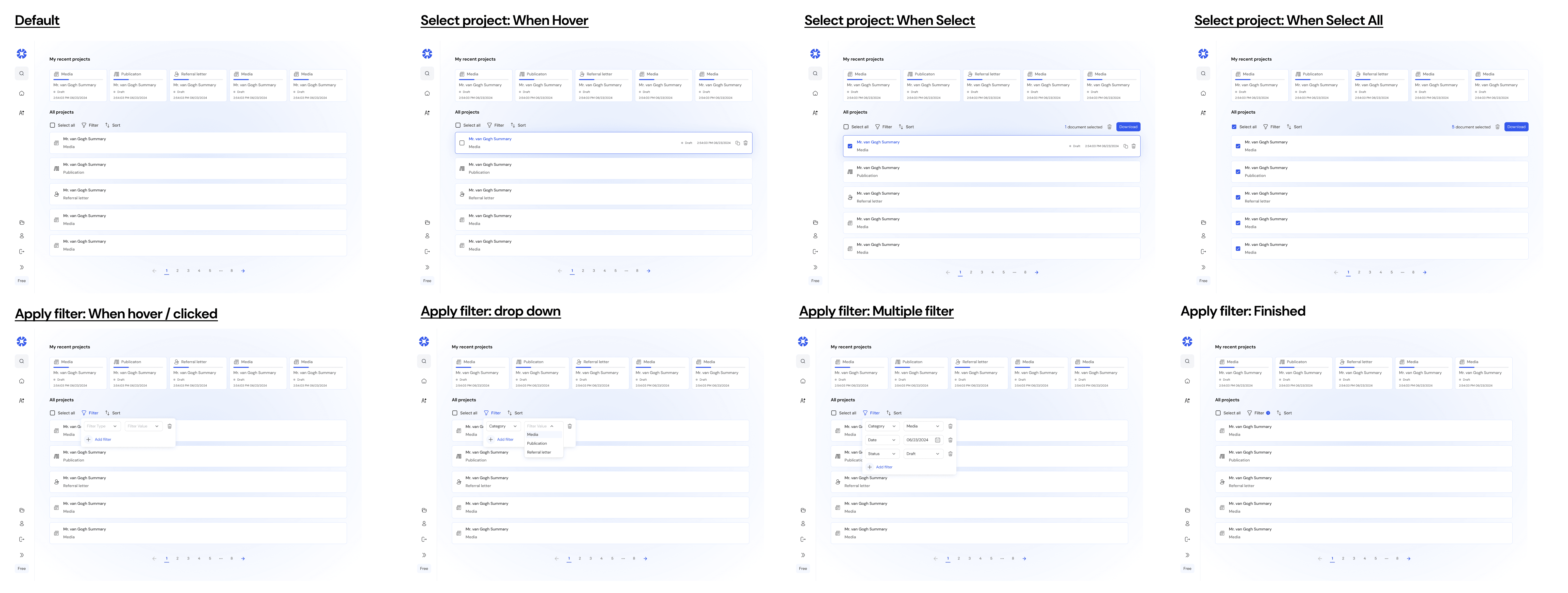
So I did an audit. I went through all the live tools and mapped every recurring interaction. What came out of that was nine core UX patterns I then documented each pattern with a spec sheet — what it looks like, when to use it, what variants exist, and how it behaves across different states. This became the reference that designers and engineers use when starting any new tool.
Deep Dive: File Upload Pattern
When using the generator tool, it requires uploading 15-60+ files across categories (evidence, contracts, publications, reference letters and more)
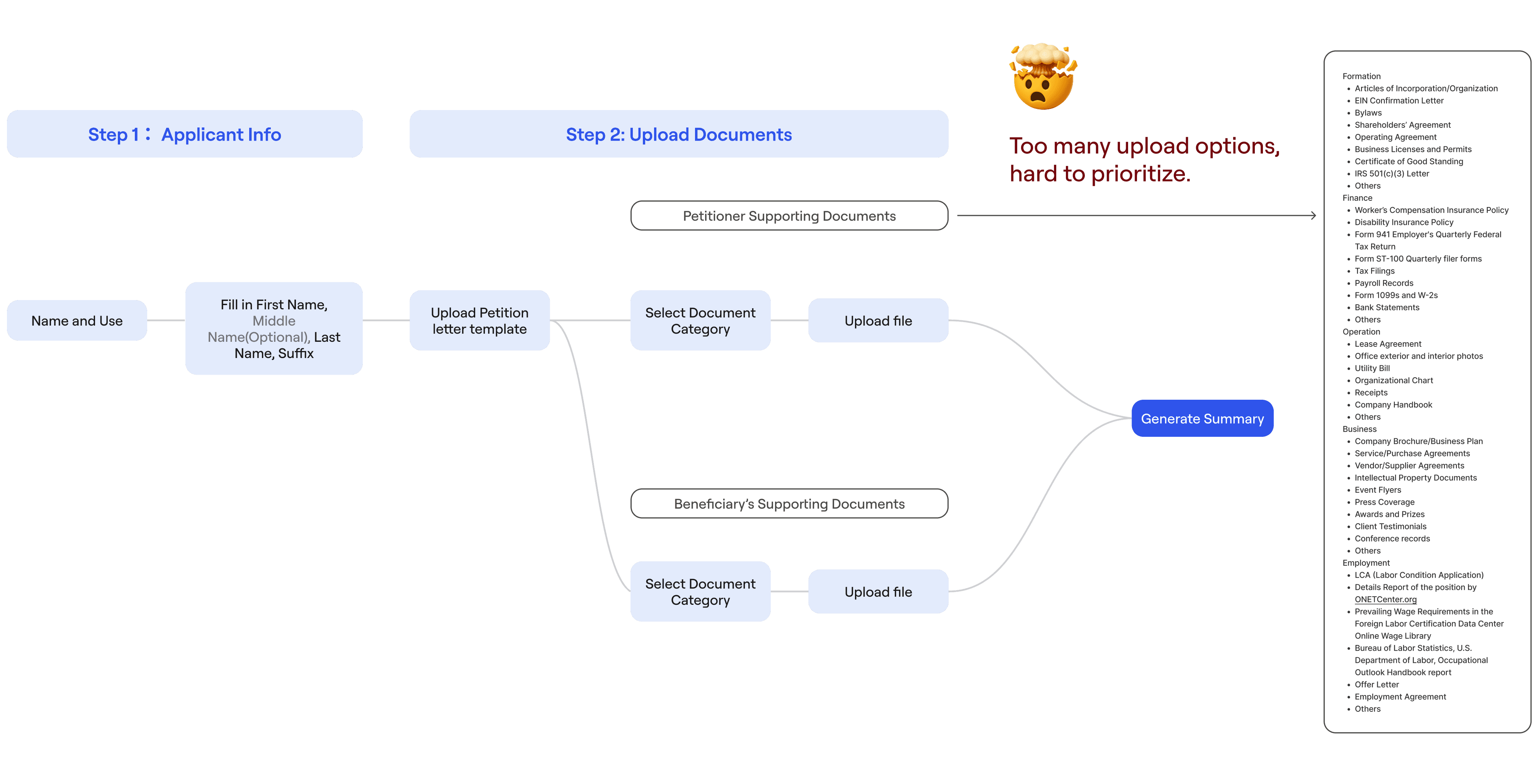
User flow of [Petition letter] generator tool
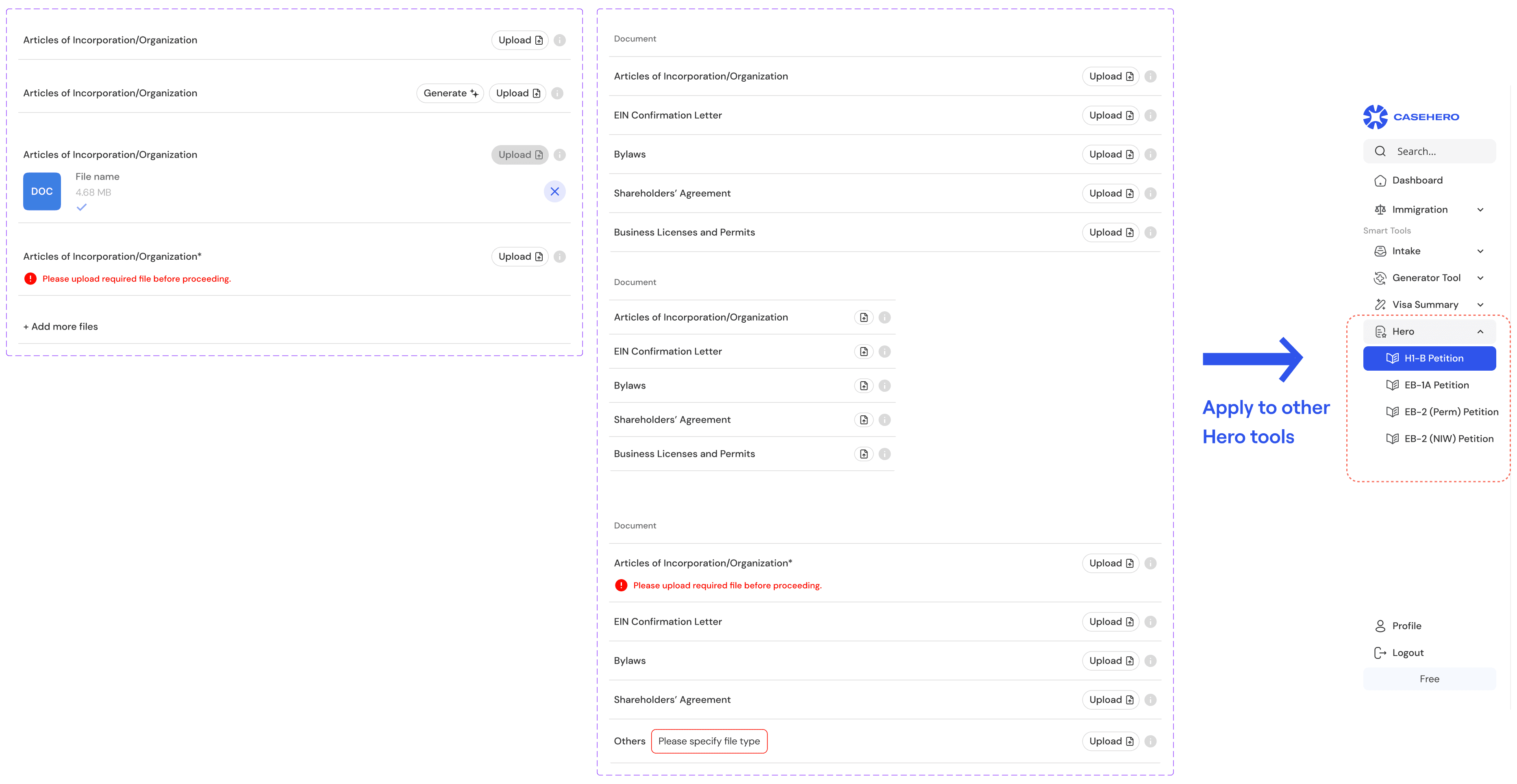
Iteration A
Category-Based File Checklist
Tab → saw related documents → upload
😍
What works well
Tabs break a long list into manageable groups
Users can focus on one category at a time
Why not work?
Excessive scrolling after uploading 5+ files
No preview of content within each tab
Iteration B
Compact Panels + Scrollable Lists
Modular scrollable panels with adaptive layout.
😍
What works well
All categories visible at once
Card layout reduces scrolling
Why not work?
Cognitive load
No clear prioritization of required documents
ITERATION C
Tabs + Required Status + Progress Tracker
Tab → find required document(*) → upload
😍
What works well
Required files marked with asterisk
Scannable without overwhelming
Why not work?
Still hard to spot which required files are missing at a glance
Progress tracker adds engineering complexity without enough user payoff
fINAL ITERATION
Tabs + Required Status + Guided Complete
Upload → show warning state → upload→ eliminate warning
😍
What works well
Clear feedback loop: upload → warning clears
Minimized engineer effort
Works across all visa types without redesign
System level impact
From one-off designs to a pattern library
• Built a scalable upload system that works across multiple visa types, reducing future redesign and engineering effort. • Unified components into a consistent, reusable design framework that clearly guides users through required documents. • Added seamless entry points to other CaseHero tools, allowing users to generate missing documents without leaving the workflow.
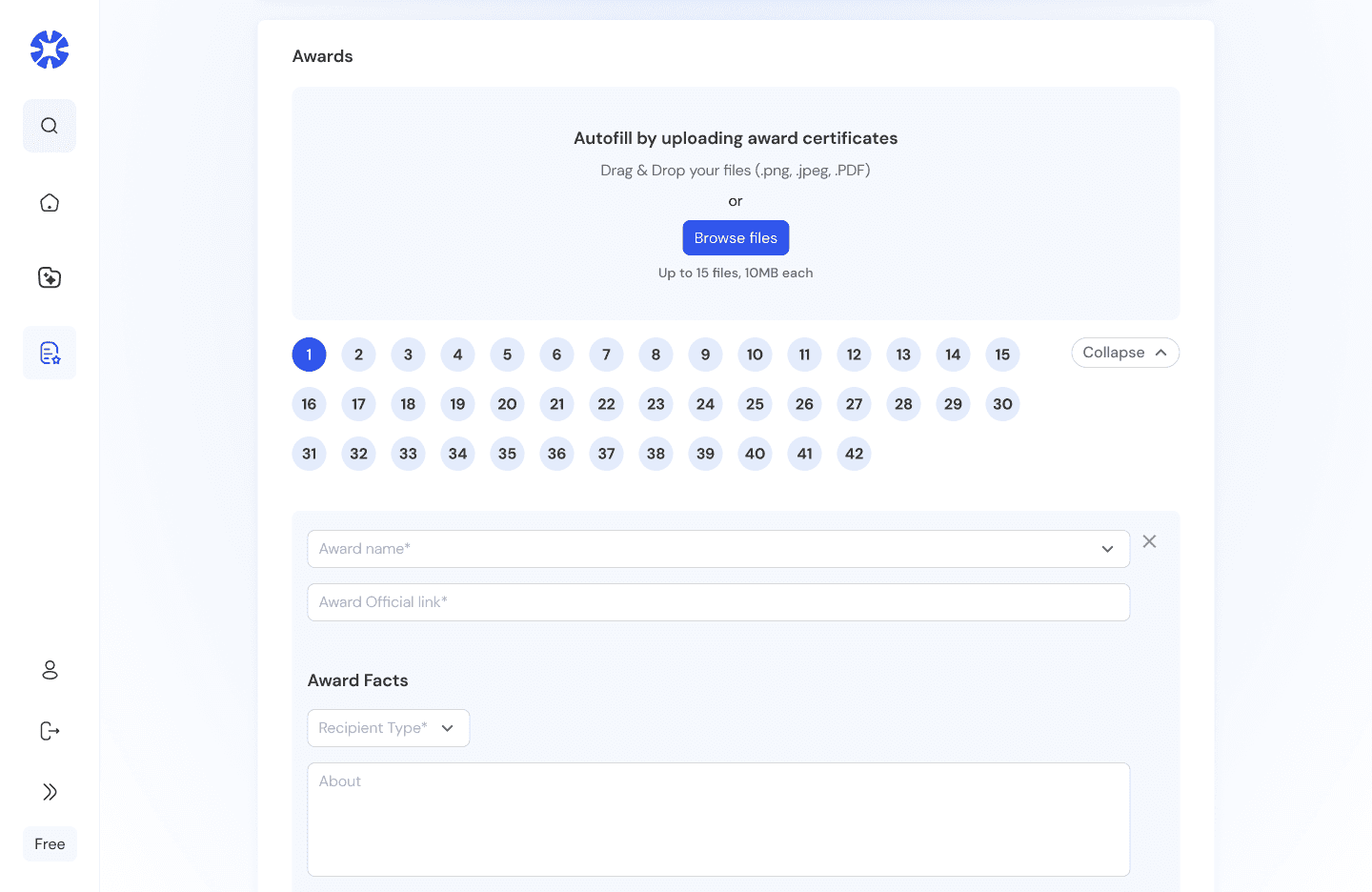
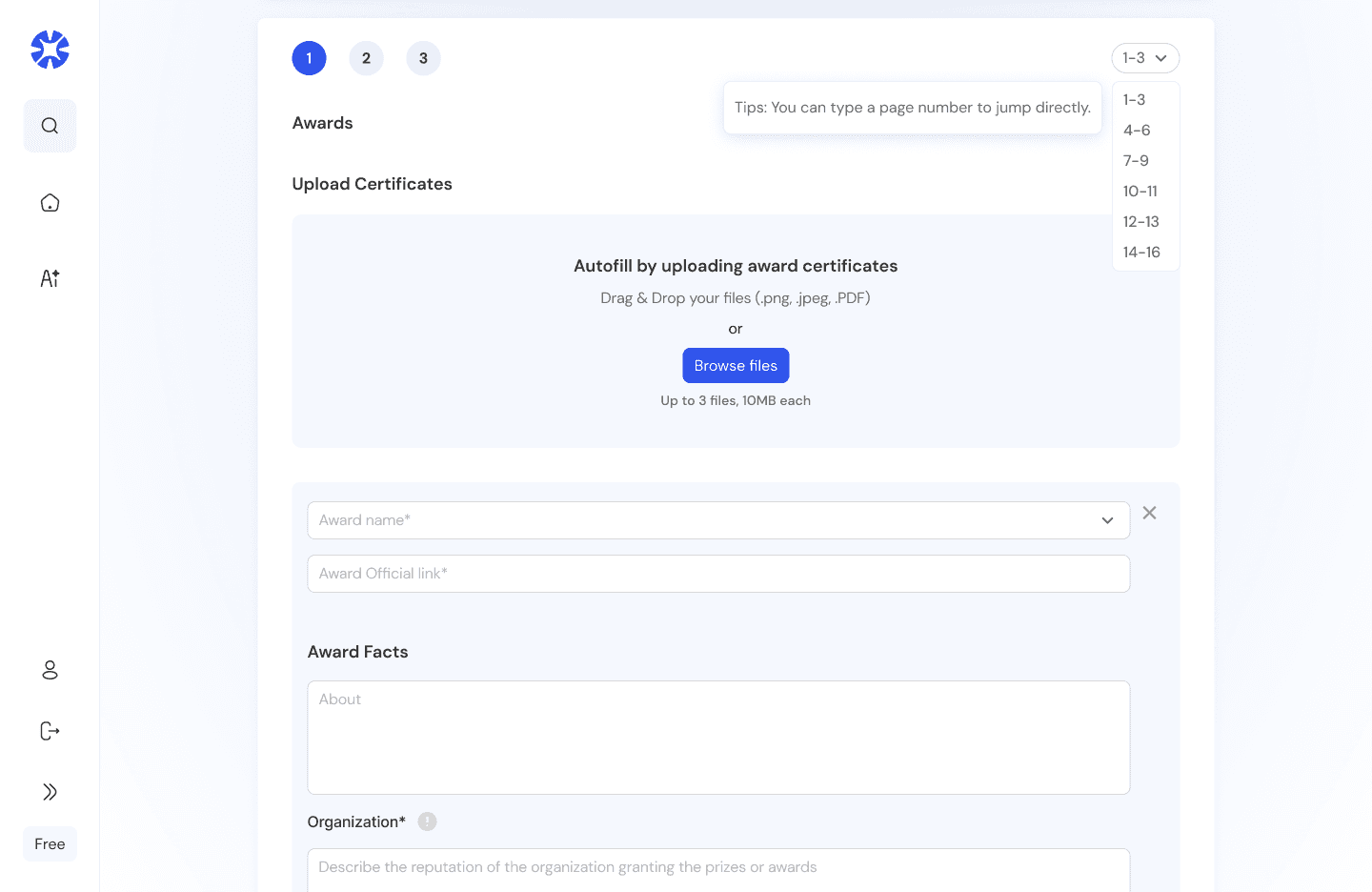
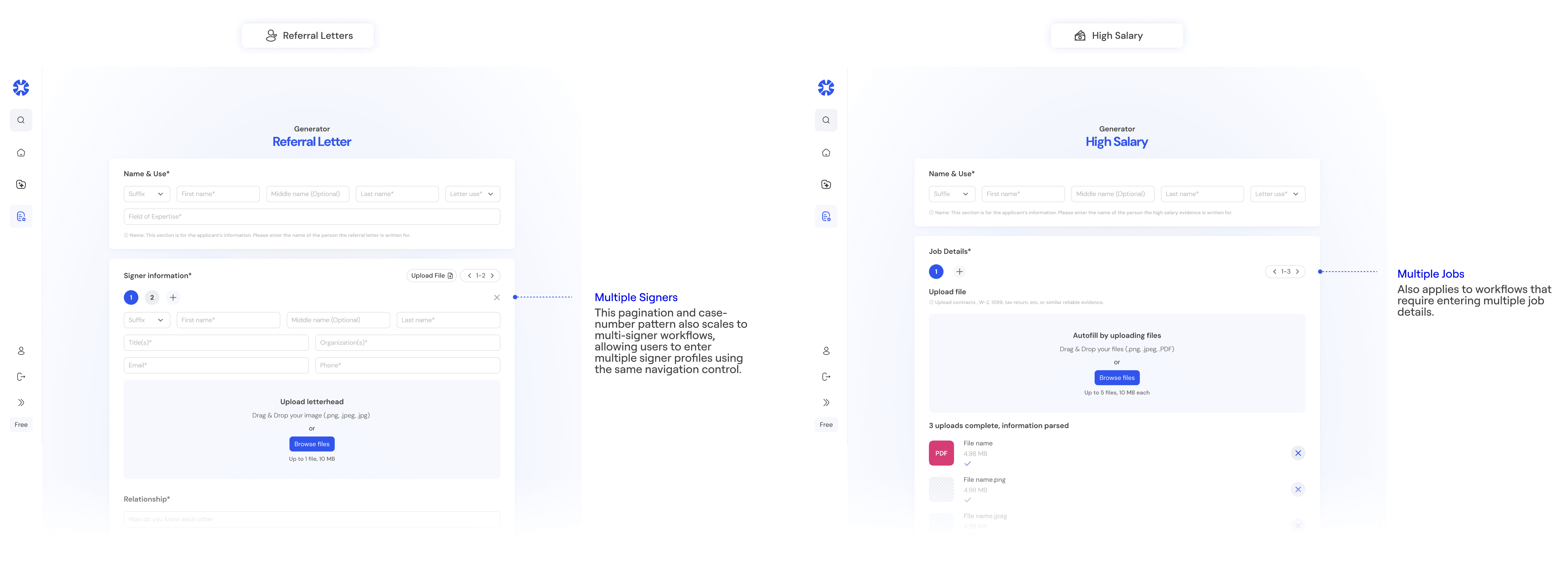
Boost development speed
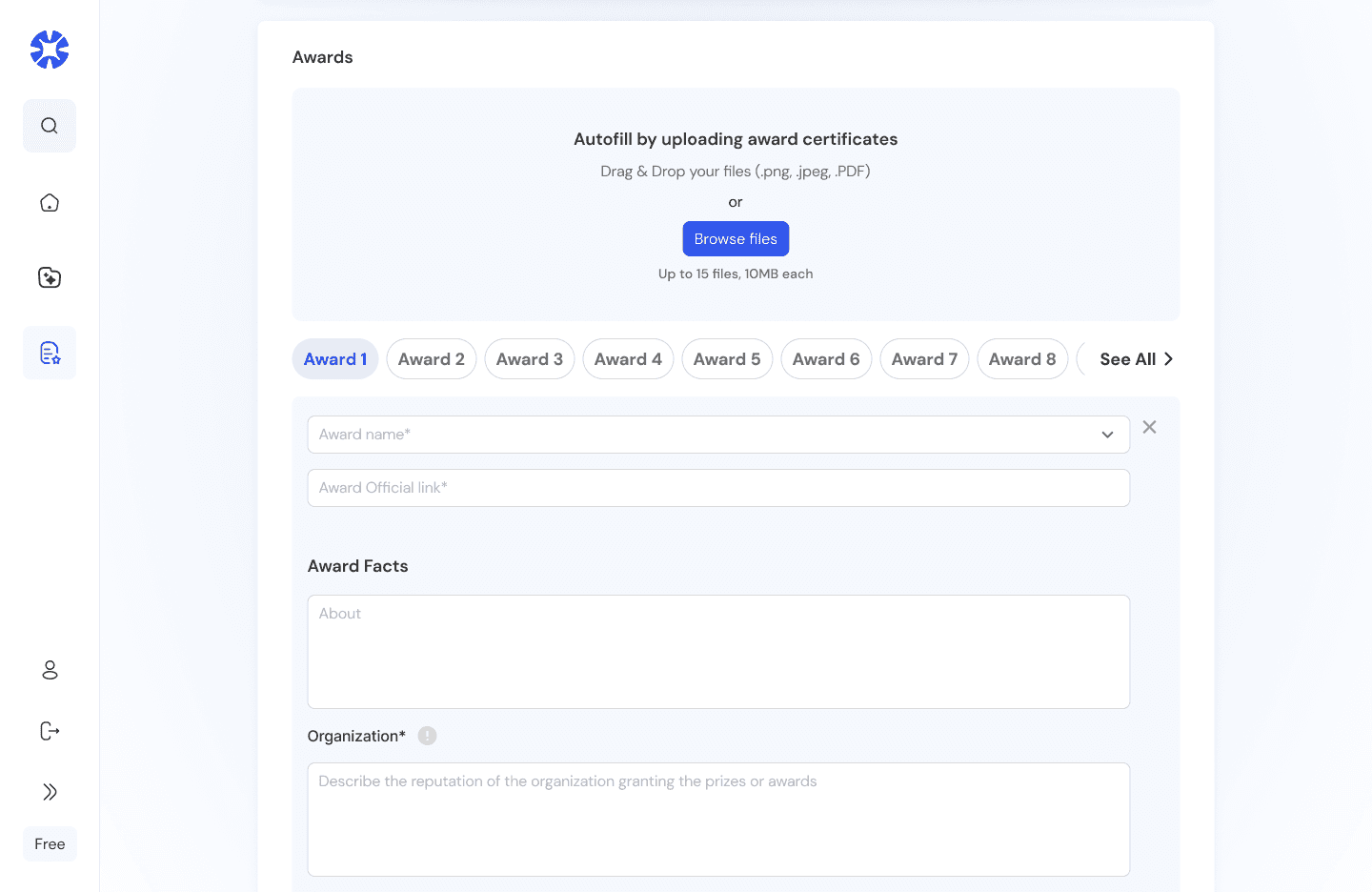
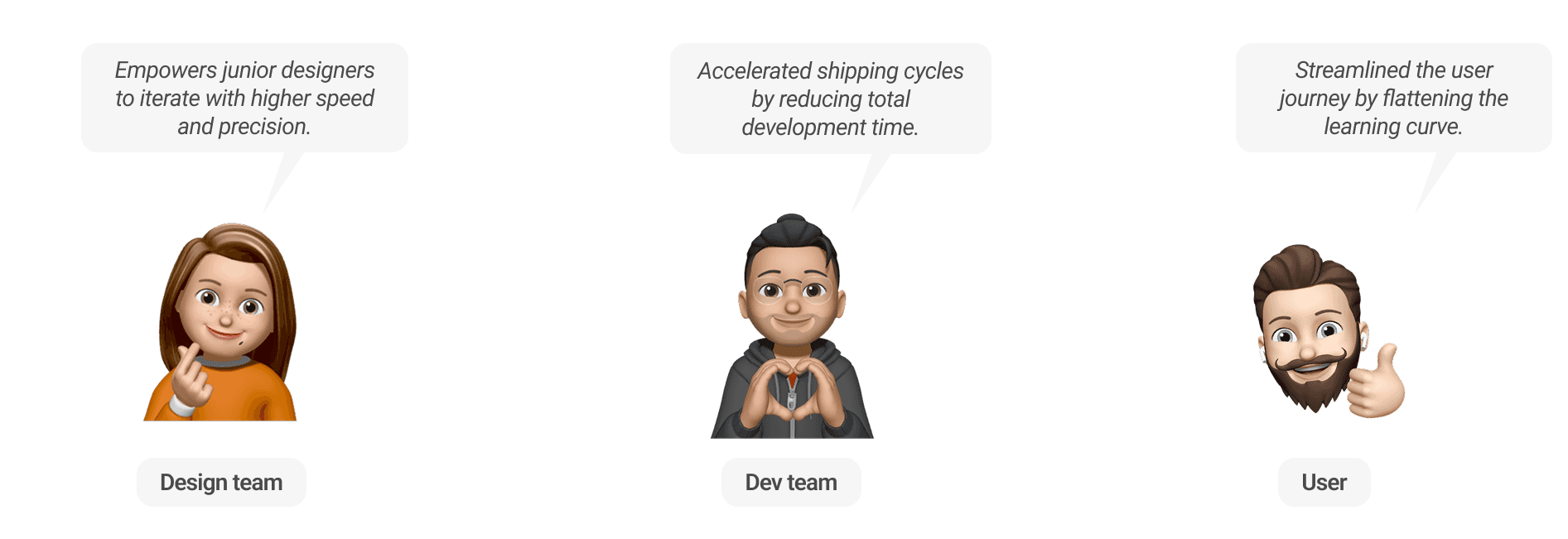
Once the pattern system was in place, the impact was immediate.
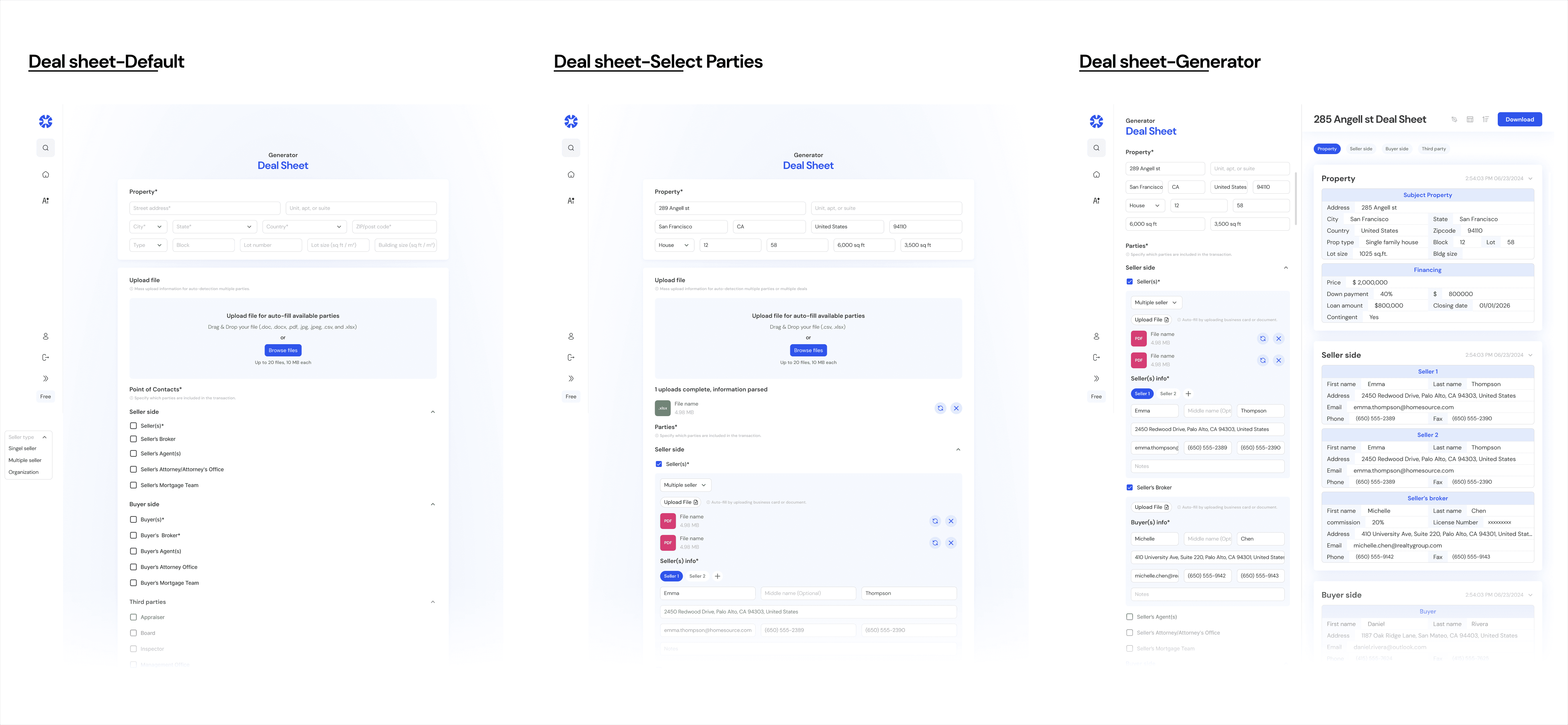
Summary tool for the real estate
Our client has an ambitious plan to expand CaseHero into real estate document workflows as well. Some patterns we designed for immigration lawyers now translate into real estate use cases, such as the Deal Sheet Generator and Contract Generator.
File management
CaseHero relies on session storage today, meaning progress is not preserved after closing the browser. Our design now lays the foundation for future cloud saving and real-time sync.